.svg)



.svg)
Earth Day 2026:
The Hidden Side of Wastewater Management
Every year on Earth Day, we talk about protecting natural resources and building a more sustainable future. For water utilities, that mission plays out every single day in ways most people never see.
Water utilities take in waste, treat it, and return clean water to the communities they serve. On the surface, it sounds straightforward, but in reality it is one of the most complex and resource-intensive operations in modern infrastructure.
The biggest challenges are often hidden in plain sight.

Not All Waste Is Created Equal
Wastewater is not a single, uniform stream. Facilities receive a wide range of materials from residential, commercial, and industrial sources, and each comes with different chemical and biological characteristics and very different treatment requirements.
When high-strength industrial discharges, fats, oils, grease, or chemical loads enter the network without proper classification, the consequences ripple throughout the entire system.
Utilities begin to experience:
- Treatment processes pushed beyond their designed capacity
- Equipment damage and unplanned maintenance
- Increased compliance risk from unmonitored or undercharged waste streams
- Lost revenue from waste that costs significantly more to process
At the end of this chain reaction, the cost and complexity of delivering clean and safe water increases for everyone. Utilities need tools that bring clarity to complex waste streams. Portalogic was built specifically to provide that visibility and control.
With modern waste management software, such as Portalogic, utilities can classify and track multiple waste types with precision, set customized pricing and acceptance rules for different waste streams, monitor incoming loads in real time, ensure proper charging for high-strength or specialized waste, and reduce compliance risk and operational surprises.
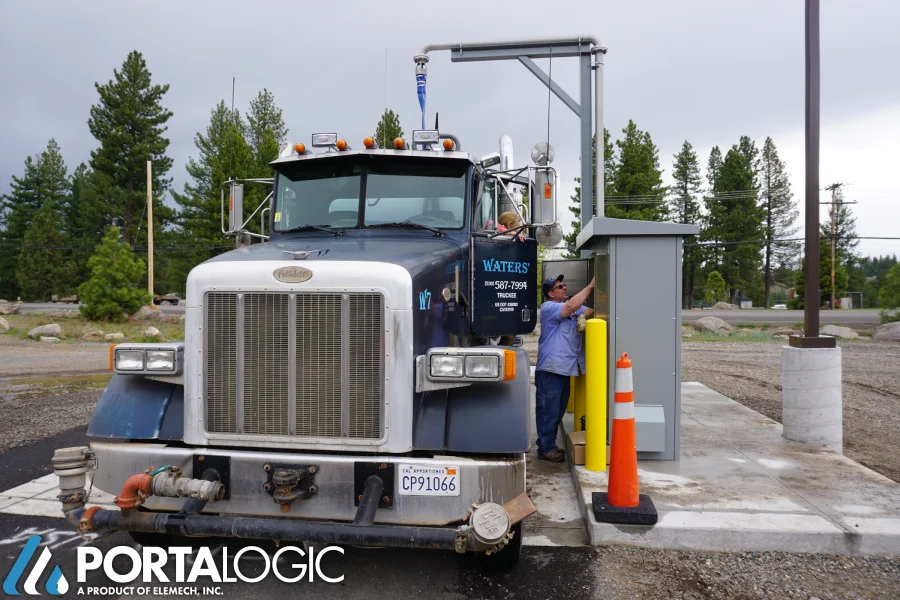
How Portalogic Helps Facilities Take Control
Municipalities need tools that bring clarity to complex waste streams. Portalogic was built specifically to provide that visibility and control.
With modern waste management software, utilities can classify and track multiple waste types with precision, set customized pricing and acceptance rules for different waste streams, monitor incoming loads in real time, ensure proper charging for high-strength or specialized waste, and reduce compliance risk and operational surprises.
When utilities understand what is entering their systems, they can operate more efficiently, protect infrastructure, and recover the true cost of treatment.
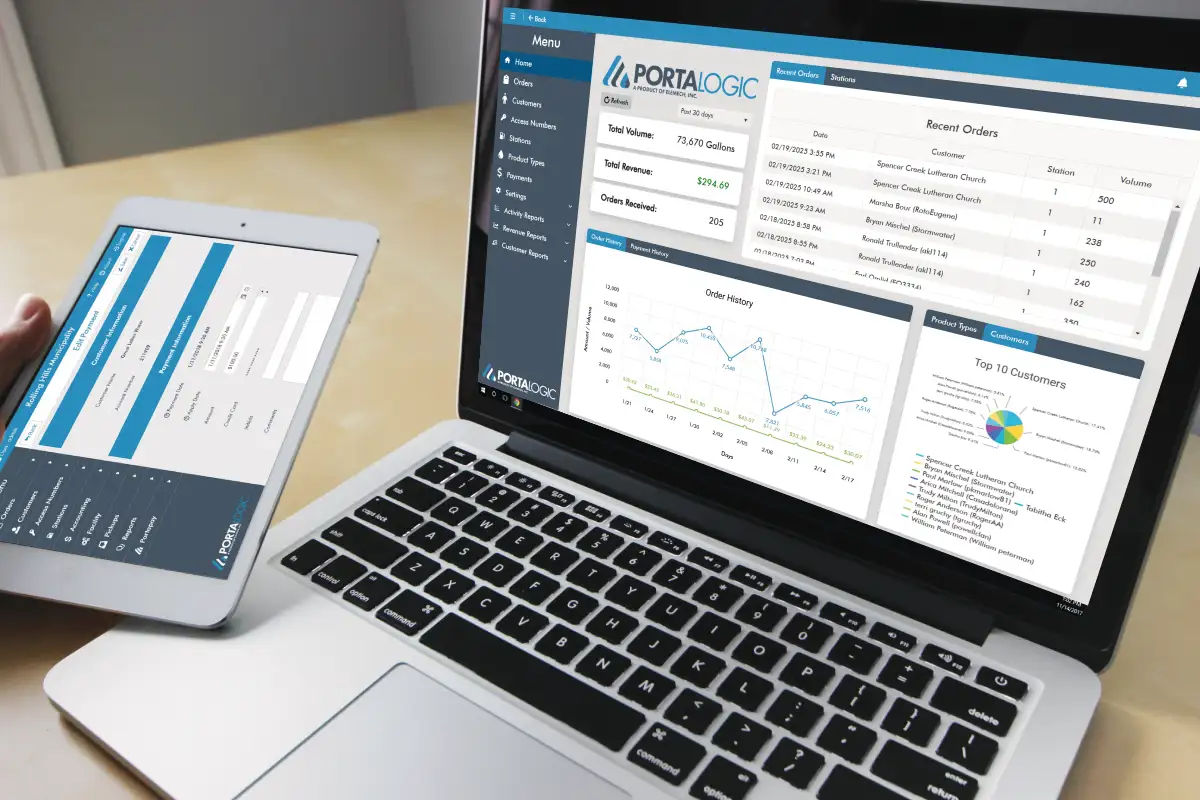
Trusted expertise in bulk water and wastewater—delivered by Portalogic.

.webp)
