.svg)



.svg)
Powering Bulk Water Filling Stations with Solar Energy
For municipalities, solar integration offers a path to filling stations that keep running — whether the grid goes down or was never there to begin with.
Access to clean water is one of the world's most pressing challenges. Bulk water filling stations — centralized points where communities, businesses, and municipalities can fill large containers or tanker trucks — are a critical part of the solution.
Solar energy is increasingly being incorporated into station design, not just as a sustainability measure, but also as a practical engineering decision that improves operational resilience and extends reach into areas where reliable grid power doesn't exist.
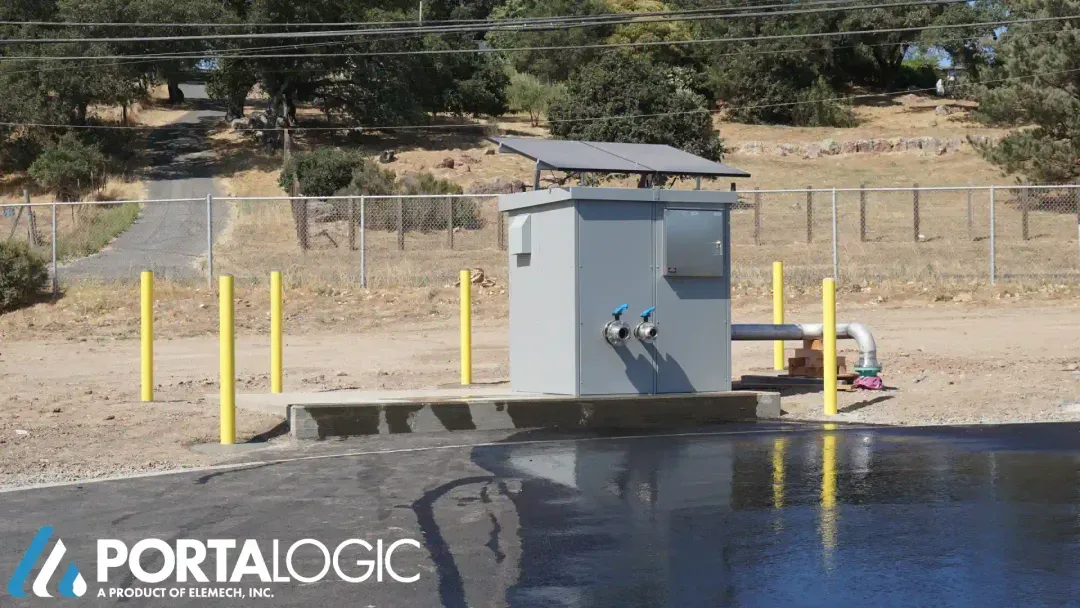
The Two Roles Solar Plays in Station Design:
1. Backup Power: Grid-connected with solar backup
The station operates on grid power under normal conditions. Solar panels and battery storage automatically take over during outages, keeping the station operational when it's needed most — emergencies, storms, or infrastructure failures. Example use case: Urban and suburban stations
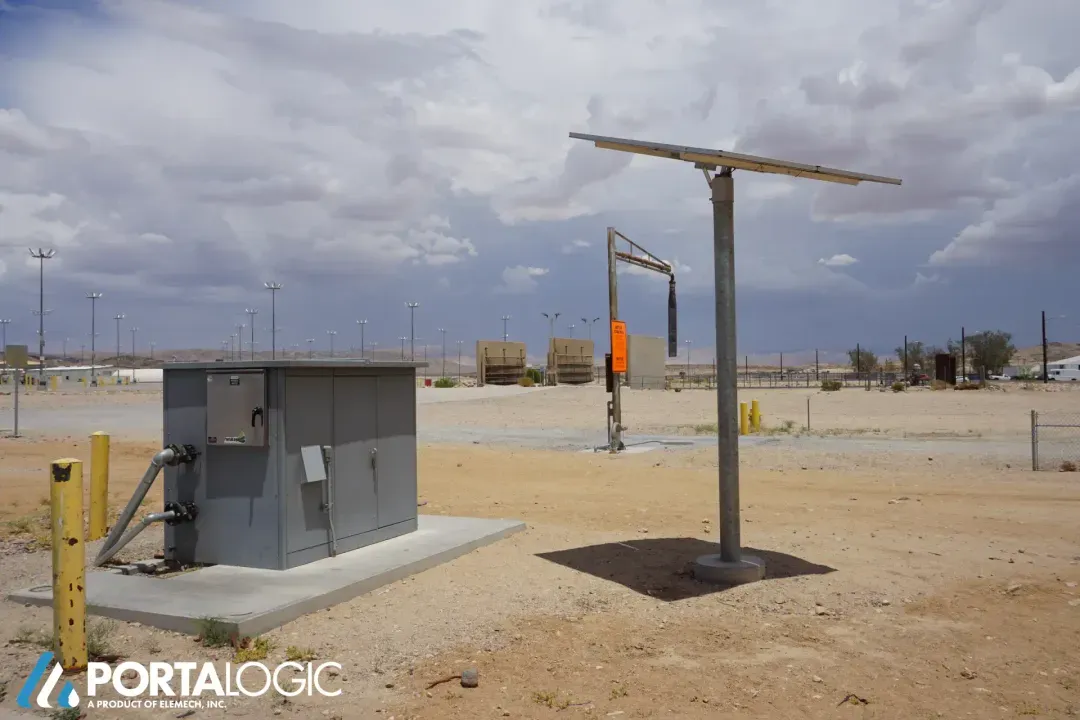
2. Sole Power Source: Off-grid solar as primary power
In remote or underserved areas without grid infrastructure, solar becomes the station's only power source — enabling deployment where it would otherwise be impractical. Example use case: Rural and remote municipalities
Factors to Consider When Evaluating Solar Integration:
Solar isn't the right fit for every station design. These are the key variables municipal engineers and planners should assess before specifying a solar system.
- Cold weather considerations - Solar power should be used as a supplementary source of power if station design requires an enclosed heater. Solar capacity alone is not sufficient to power heating devices.
- Solar resource availability - Excess energy is stored in batteries, however factors such as excessive operation after sundown or during overcast periods should be considered.
- Grid access and reliability - Stations with stable grid connections may only need solar as a backup. Those in areas with frequent outages or no grid access are better candidates for full off-grid design.
- Site planning and installation - Stations including solar are designed "solar ready", however solar panel equipment is provided loose and installation is done by owner.
Engineering a municipal water filling station?
At EleMech, we design and manufacture custom infrastructure solutions built for real-world conditions. Contact us and speak with an engineer today.
Trusted expertise in bulk water and wastewater—delivered by Portalogic.

.webp)
