.svg)



.svg)
Stronger Systems, Smarter Strategies: Portalogic's Takeaways from AWWA's Water Infrastructure Conference (WIC26)
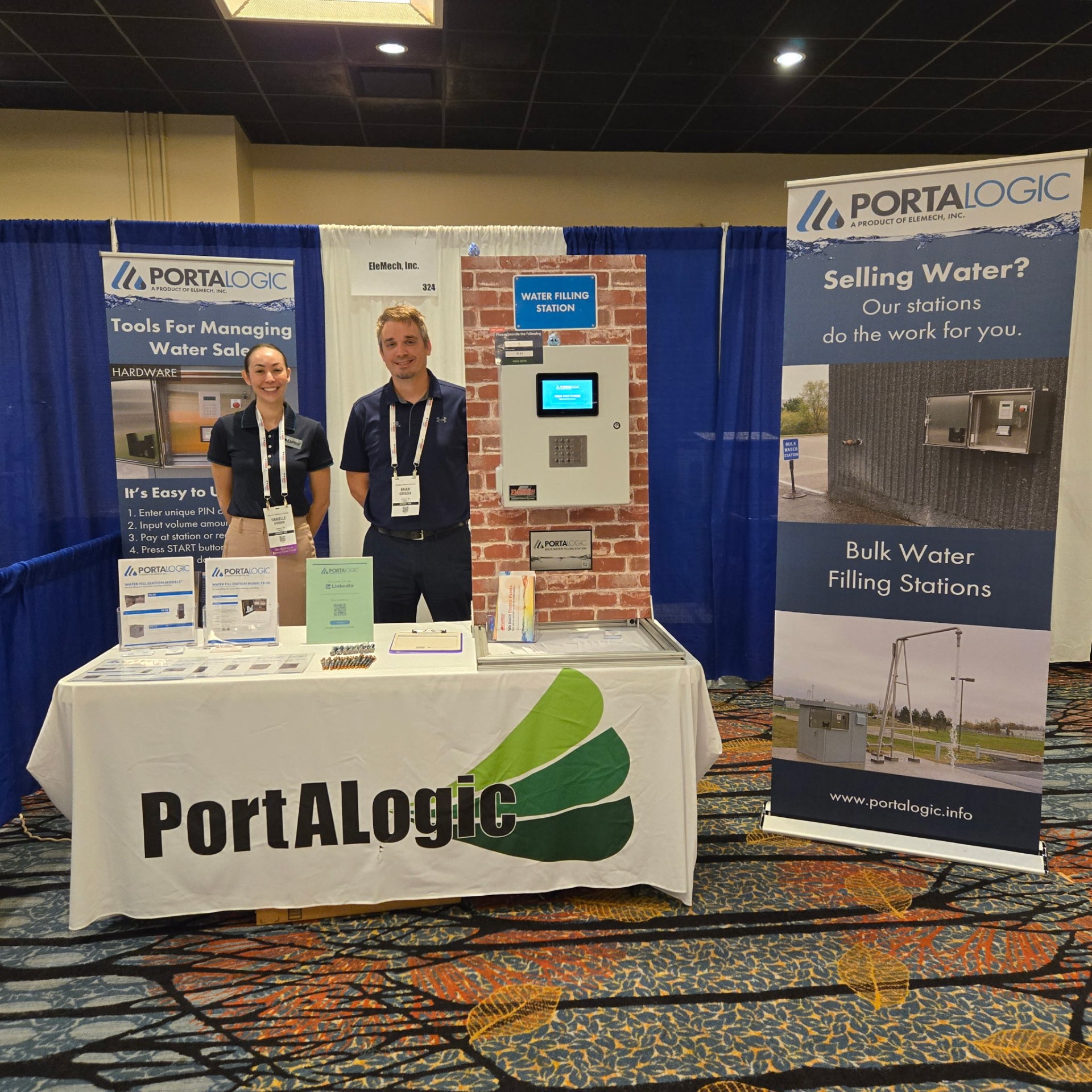
The Portalogic team just returned from an energizing week at the 2026 AWWA Water Infrastructure Conference & Exposition (WIC26) in Indianapolis. WIC has a reputation as one of the more intimate, hyper-focused events on the water calendar, and this year lived up to it. Instead of surface-level pitches, we spent the week in the kind of deep, technical conversations that only happen when utility operators, engineers, and technology providers are all in the same room, working the same problems.
Across the sessions and the exhibit hall floor, a few themes kept surfacing—each of them tied directly to the challenges our customers face every day. Here's what stood out, and how it maps to the work we're doing at Portalogic.
Intelligent water technology is now table stakes
The clearest signal from WIC26 was that data-driven operations have moved from "nice to have" to "non-negotiable." Utilities are under pressure to do more with tighter budgets and leaner staff, and the answer they keep landing on is smarter monitoring and automated controls that support proactive decisions rather than reactive scrambling.
This is the ground Portalogic was built on. Our automated bulk water dispensing and septage receiving stations aren't just hardware in the field—they're connected points of control. Access control, automated metering, pH monitoring, billing, and reporting all run through a single software platform, which means operators get an accurate, real-time picture of who is drawing or discharging, how much, and when. That visibility turns a station that once required manual oversight into an unmanned asset that runs accountably around the clock.
The operators we spoke with weren't looking for technology for its own sake. They wanted tools that remove guesswork and free up their people for higher-value work. That's exactly the problem automated stations are designed to solve.
Asset management is about protecting public investment
The second recurring theme was long-term asset sustainability—optimizing plant operations, managing risk across a project's full lifecycle, and ultimately protecting the public dollars that fund water infrastructure.
For utilities that manage bulk water sales or accept hauled septage, a surprising amount of that risk lives at the point of transaction. Manual logbooks, honor-system billing, and unmetered draws create gaps that are hard to audit and easy to lose money through. Automating those points does more than streamline a workflow; it creates a defensible record. Every gallon dispensed and every load received is metered, attributed to an account, and captured in reporting that supports cost recovery and clean audits.
On the septage side, controlled, access-managed receiving protects the treatment plant itself. Knowing what's coming into the headworks—and being able to turn away or flag out-of-spec loads—helps operators safeguard downstream processes and the capital equipment that's expensive to repair or replace. That's asset management in the most practical sense: protecting the investment at the point where it's most exposed.
Water loss and resilience start with accountability
Water loss and system resilience drew some of the most passionate conversations at WIC26, covering everything from leak detection and pipe rehabilitation to broader distribution system improvements. These are big, multi-disciplinary challenges, and no single technology solves all of them.
Portalogic's contribution sits on a specific and important piece of the puzzle: non-revenue water and unauthorized withdrawals. When bulk water haulers, contractors, or construction crews draw from hydrants without metering, the result is water that leaves the system unaccounted for and revenue that never comes back. Metered, access-controlled dispensing stations give utilities a sanctioned, trackable alternative—so that legitimate demand is served efficiently and unauthorized draws lose their easy workaround. It's not leak detection, but it does close a real and often overlooked source of apparent loss.
Resilience, in the end, is built from a lot of individual improvements layered together. Reliable, accountable infrastructure at the fill station is one of those layers, and it's the one we're focused on getting right.
Bringing the insights home
The best part of a conference like WIC isn't any single session—it's the reminder that the people modernizing this sector share a common goal. Connecting with fellow operators, engineers, and industry pioneers reinforced why we do this work: to build solutions that simplify operations, enhance security, and increase efficiency for the utilities and communities that depend on them.
We're bringing those conversations back home to keep sharpening our platform around the real needs operators described this week. Thank you to the American Water Works Association for putting on a stellar event, and to everyone who stopped by to talk shop.
Did you attend WIC26? We'd love to hear what stood out to you. And if you're rethinking how your utility manages bulk water dispensing or septage receiving, reach out to the Portalogic team—we're always glad to talk through the details.
Trusted expertise in bulk water and wastewater—delivered by Portalogic.

.webp)
