.svg)



.svg)
Septage Receiving Stations: Closing the Gaps Where Untreated Waste Reaches Freshwater
For National Water Quality Month: a look at septage receiving as a way to diversify how your system accepts and treats wastewater.
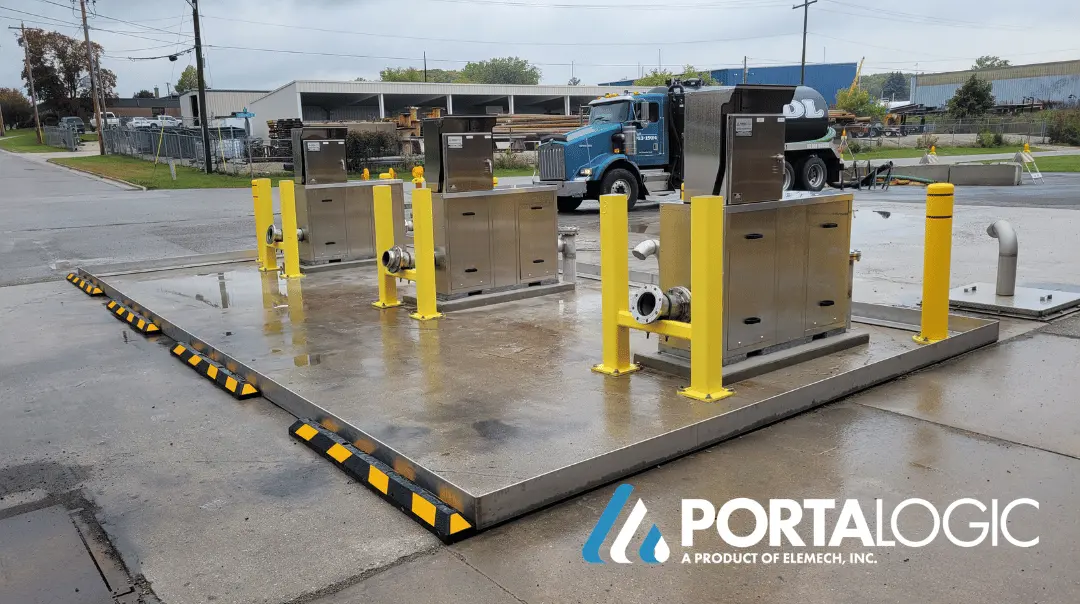
August is National Water Quality Month. It began in 2005, built on the Clean Water Act of 1972 and the Safe Drinking Water Act of 1974. For most people, the month is a reminder to conserve water at home. For water and wastewater professionals, it is something more specific. It is a prompt to look at the points where untreated waste can still reach freshwater, and to close them.
Freshwater is a small share of the water on the planet. The portion that is accessible and usable is smaller still. Protecting it is the daily work of operators and design engineers. That work does not happen through public awareness. It happens through infrastructure decisions.
This article looks at one source of freshwater pollution that the sector can directly control: untreated waste that escapes public systems. And it makes the case for septage receiving as a way to diversify how a system accepts and treats wastewater.
Untreated waste is still reaching surface and groundwater
Public wastewater infrastructure is not a closed loop. Waste escapes it in several ways.
Sanitary sewer overflows release raw sewage before it reaches a treatment plant. The EPA estimates there are between 23,000 and 75,000 of these events each year in the United States. Combined sewer systems add to the problem. During wet weather, they discharge untreated wastewater and stormwater directly to surface water. The EPA estimates that combined sewer overflows release roughly 850 billion gallons of that mix every year.
Aging pipes contribute through leakage and exfiltration. Broken joints and cracked lines let sewage seep into the ground between the source and the plant.
These pathways are well understood. They are also the ones most operators already track and work to reduce.
There is another pathway that gets less attention. It sits outside the sewer network entirely.
The septic gap
More than one in five households in the United States are not connected to a central sewer. They rely on septic systems. That is over 26 million homes. Those systems hold waste until a hauler pumps them out. The septage then has to go somewhere.
Septage is not ordinary wastewater. It is concentrated. Depending on the source, it can be six to eighty times stronger than municipal wastewater. It carries grease, grit, rags, plastics, and other debris.
Where that septage goes matters. In the past, haulers discharged loads into open pits, fields, and lagoons. Much of it was neither monitored nor measured. That practice put groundwater, lakes, and streams at real risk. Federal rules under 40 CFR Part 503 tightened septage disposal for exactly this reason.
The problem does not disappear when a region lacks convenient, controlled places to offload. When legitimate receiving capacity is scarce or hard to reach, the incentive to cut corners grows. Every unpermitted discharge is a direct route to freshwater.
Diversify where waste can be received
The sector's instinct is to protect freshwater by improving treatment. That is necessary. It is not sufficient. Treatment only protects water that actually reaches the plant.
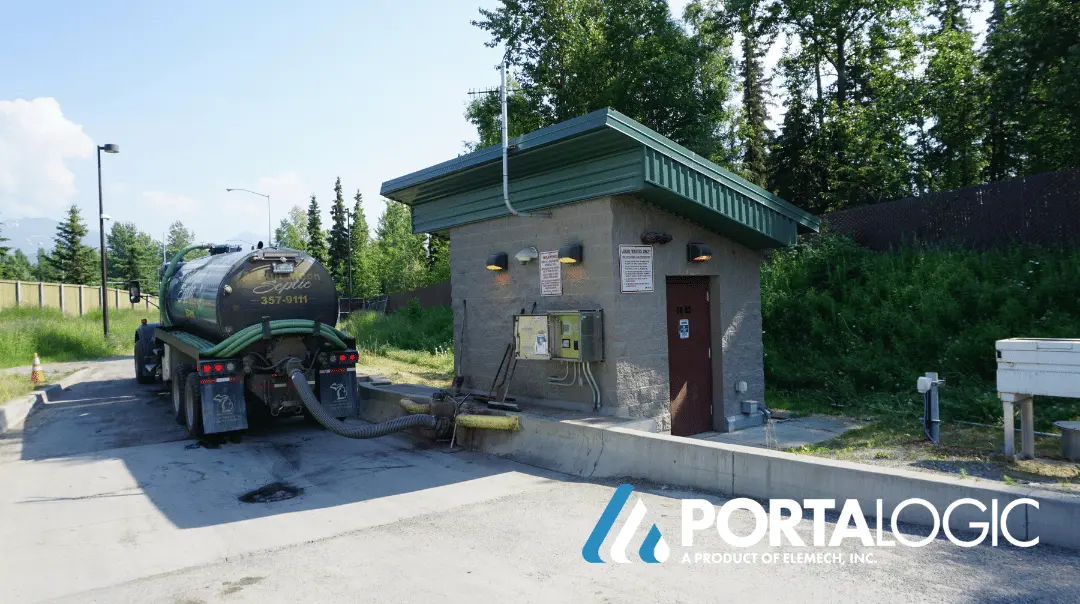
A more resilient approach diversifies the receiving side. A system with more controlled, permitted, metered points of intake gives haulers a reason to do the right thing. It spreads load across facilities instead of concentrating it. It shortens the distance a hauler must travel, which reduces the temptation to dump.
Septage receiving stations are the infrastructure that makes this possible. They give a treatment plant a formal, managed way to accept hauled waste without disrupting its core process.
This matters to operators for a practical reason. Septage that enters a plant uncontrolled can shock biological processes with a sudden surge of concentrated organics. Debris causes ragging and downtime in pumps and downstream equipment. A managed receiving point is what separates a revenue opportunity from an operational headache.
What a modern receiving station handles
A controlled septage receiving station does several jobs at once.
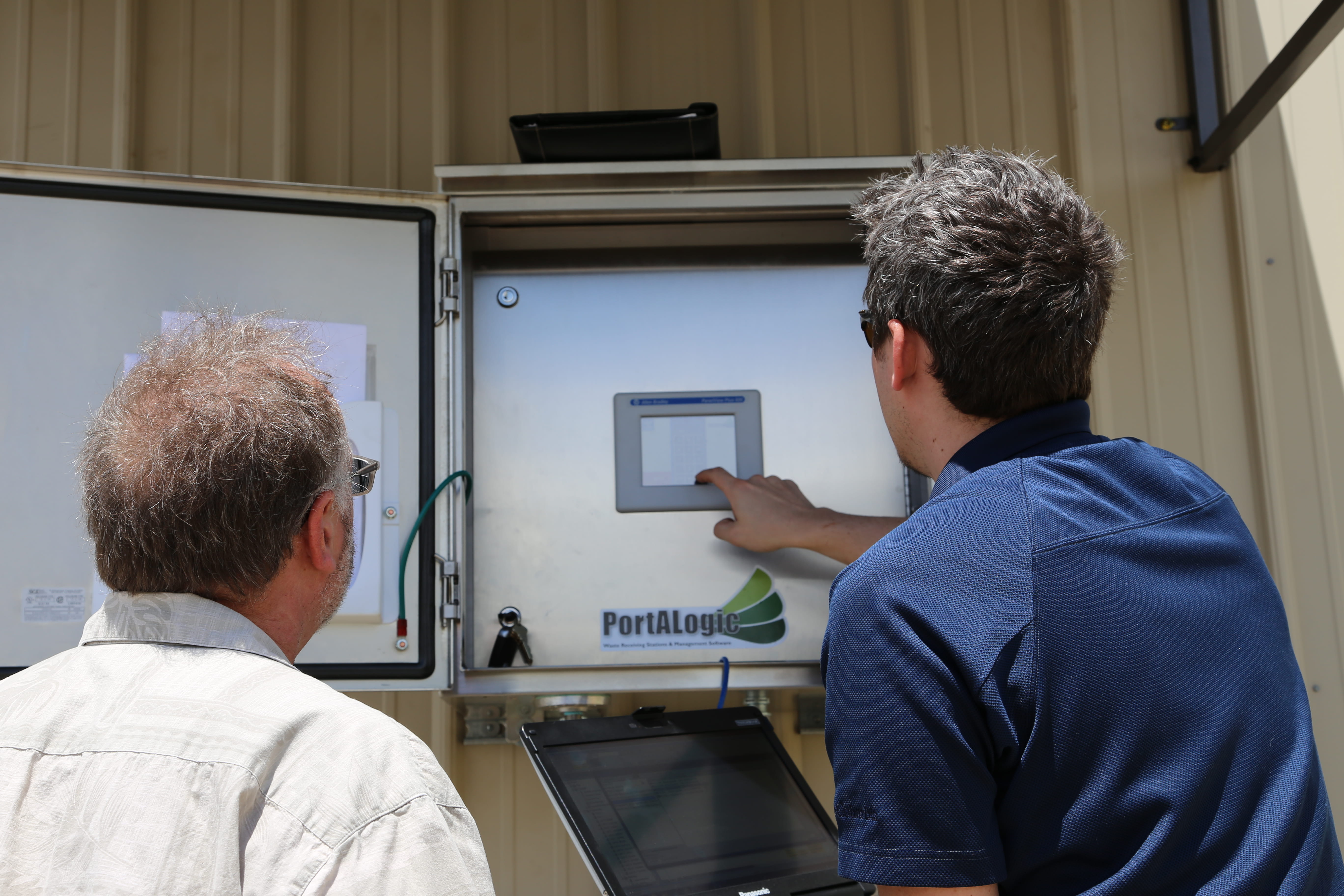
It manages access. Only authorized haulers can offload, and every load is tied to an account. It meters volume, so billing reflects what was actually discharged rather than a hauler's estimate. It captures the data. Operators get records for reporting and compliance rather than a manhole and a logbook.
Screening, grinding, and grit and grease removal are part of the picture as well. These are site-specific engineering decisions. The right configuration depends on the plant, the waste stream, and the downstream process. A receiving station should integrate with the pretreatment equipment a design engineer specifies, not force a single fixed approach.
Done well, the receiving station protects the plant's process, protects the hauler relationship, and turns hauled waste into a monitored, billable, traceable input.
Where Portalogic fits
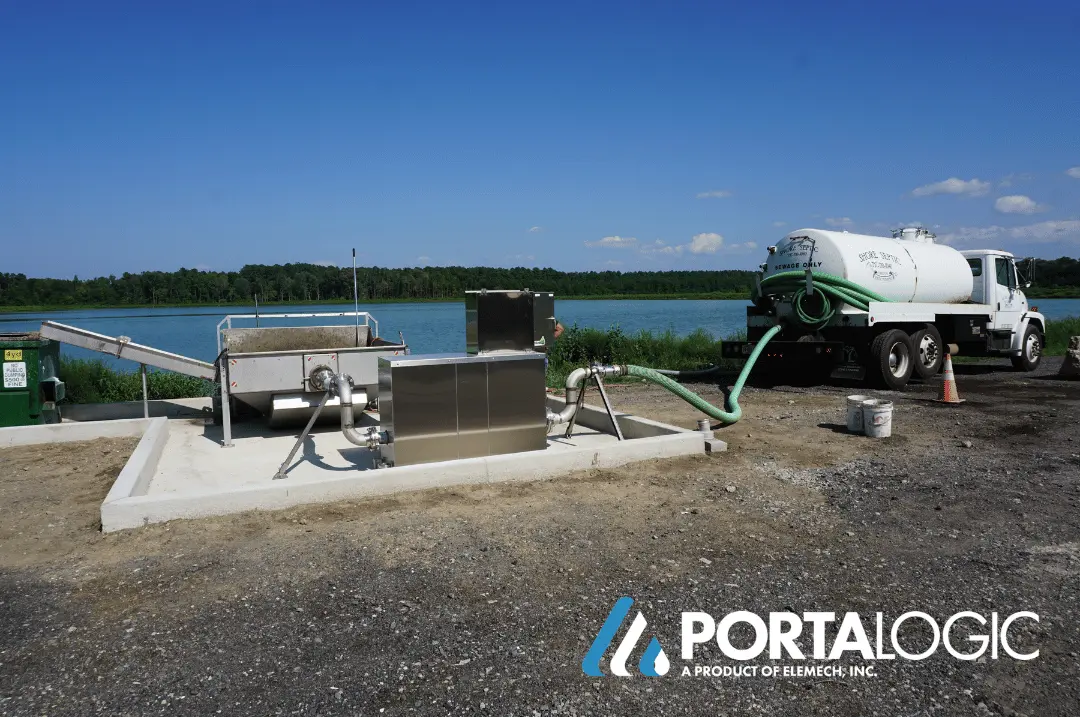
Portalogic builds automated septage receiving stations for municipalities and utilities. The platform handles access control, metering, billing, and reporting in one system. Screening, grinding, and grit and grease removal remain site-specific engineering choices, and the station is designed to work alongside the third-party pretreatment a project calls for.
The value for water quality is straightforward. A permitted, automated, metered receiving point gives haulers a legitimate place to offload and gives operators a record of every load. That combination is what pulls waste out of the fields and lagoons and into a controlled process.
For a design engineer planning capacity, a receiving station is also a way to diversify a system's intake. It adds a managed channel for waste that would otherwise strain the sewer network or find an unpermitted outlet. It extends the reach of centralized treatment to the households that are not connected to it.
The point of the month
National Water Quality Month is a reminder that clean freshwater is not automatic. It is the result of decisions made at treatment plants, at receiving points, and on drafting tables.
Protecting freshwater means closing the gaps where untreated waste escapes. Some of those gaps are in the sewer network. One of them is the septage that never had a controlled place to go. Diversifying how a system receives and treats that waste is a direct way to close it.
Trusted expertise in bulk water and wastewater—delivered by Portalogic.

.webp)
